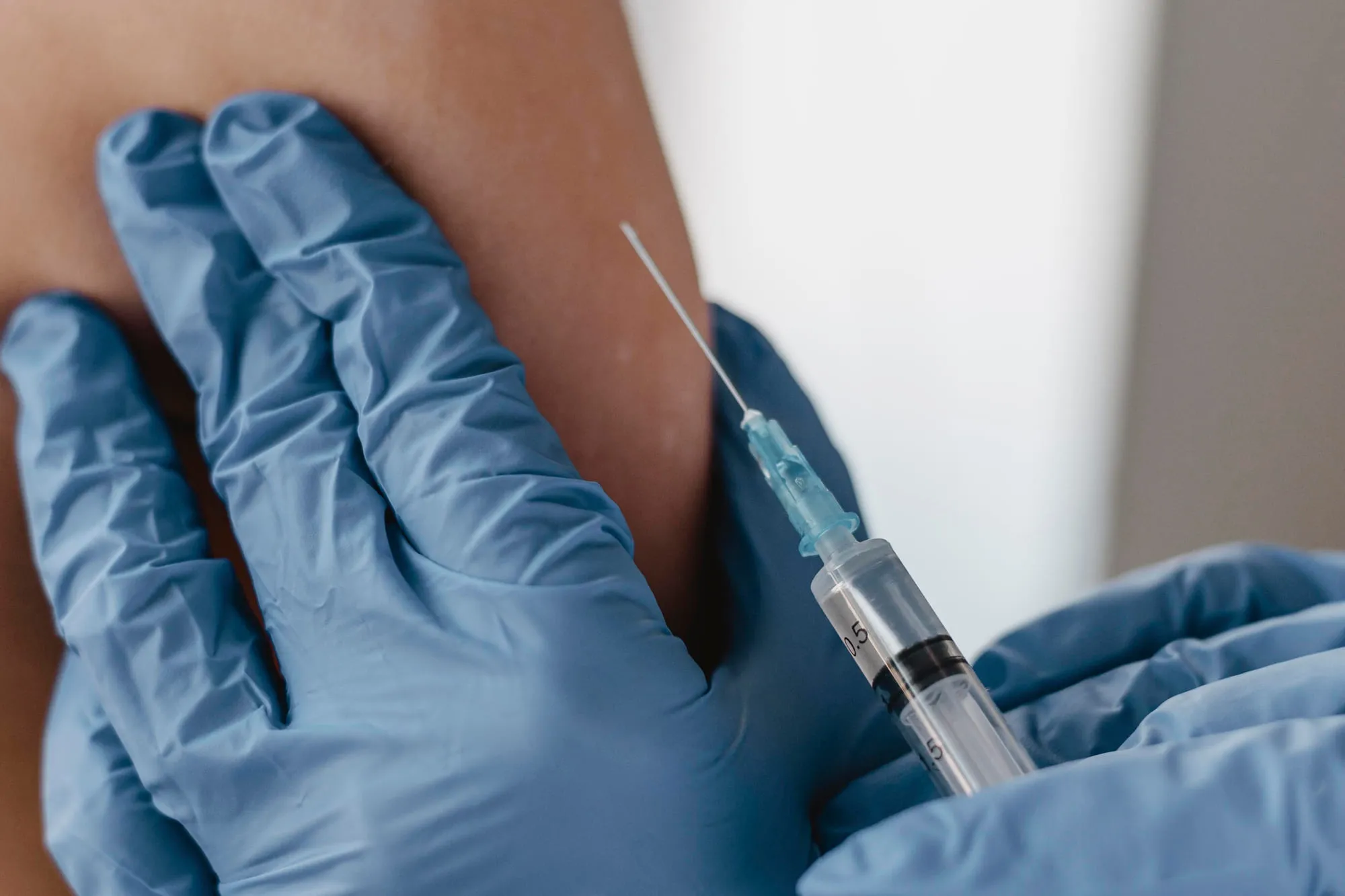
Why does the clinic test first?
Because an injection only helps if you are short of the thing being injected. Serenity has a lab on site, so checking a level is a same-visit step rather than a separate appointment somewhere else.
If your B12 is low, replacing it produces a real, measurable change. If your B12 is already normal, an injection raises a number in your blood and your kidneys clear the excess. Most of the vitamins on this list are water-soluble, which is precisely why they are safe at high doses and also why extra does not accumulate into a benefit.
Testing first is the difference between medicine and a purchase.
Do I need an appointment?
Call ahead and book one. Walk-in care at Serenity runs seven days a week for illness and injury, and injections are fitted around that, so booking a slot means the shot happens when you arrive rather than between patients.
If a level should be checked first, the front desk will tell you when you book, and the lab draw happens in the same building.
What does vitamin B12 actually do?
B12 is required to make red blood cells, to keep the myelin sheath around nerves intact, and to run parts of DNA synthesis. Real deficiency causes a specific and recognizable picture: fatigue and weakness, a form of anemia, and, if it goes on, numbness and tingling in the hands and feet, balance problems, and difficulty concentrating.
Injections exist because of how B12 is absorbed. It needs a stomach protein called intrinsic factor to cross the gut wall, so people who cannot make enough of it, or who have had gastric or intestinal surgery, cannot absorb it from food or pills reliably. An injection bypasses the gut entirely. That is the group for whom B12 shots are genuinely standard care.
Others at raised risk of deficiency include people on long-term metformin or acid-reducing medication, people over 50, and anyone eating a strict vegan diet without supplementation, since B12 occurs naturally only in animal foods.
What about vitamin D?
Vitamin D regulates calcium absorption and bone mineralization, and low levels are common at Michigan’s latitude, where there simply is not enough UVB in the winter sun to make much of it in your skin. Deficiency is diagnosed with a blood test, not from symptoms, which is why this one in particular starts with a lab draw.
Replacement is usually oral. An injection is an option where absorption is a problem or where adherence to a daily tablet has not worked.
Do wellness blends do what they claim?
Some do, some do not, and that is exactly why every card on the menu above carries a badge instead of the whole list being presented as equals.
Replacing a confirmed deficiency is medicine. It changes a measurable number and it resolves real symptoms. Injecting a compound into someone whose levels are already normal is a different transaction, and dressing it up as the first thing is where most clinics lose the thread.
Glutathione, MICC, Lipo-B, the amino blend, carnitine, taurine and glycine carry the “limited evidence” badge for that reason. They are widely offered and generally well tolerated, but the claims usually attached to them, fat burning, detoxification, immune boosting, are not backed by strong clinical evidence in people who are not deficient. They are wellness services, not treatments, and you will hear the same thing at the front desk that you are reading here.
If your goal is weight loss, the evidence-based route is medical weight loss with a provider, not a lipotropic injection. If your goal is more energy, the useful first step is finding out why you are tired, which is a lab test and a conversation.
Two of the injections carry a specific warning worth repeating outside the card. Biotin interferes with laboratory immunoassays, including the troponin test used to diagnose a heart attack and standard thyroid panels, so tell any clinician you have had it before blood is drawn. Vitamin B6 has a ceiling: sustained high doses cause a sensory nerve injury that is slow to reverse. Neither fact appears on most clinic menus. Both belong on yours.
Is there any risk?
The injections themselves are low risk. Soreness, redness, or bruising at the injection site is the usual complaint. Allergic reactions are uncommon but possible with any injectable, which is a good reason to have one given in a clinic with a provider present rather than at a kiosk.
Tell the provider about your medications and any kidney disease before an injection. Vitamin C in high doses is not appropriate for everyone, and people with a history of kidney stones should say so.
Can I get these as an IV instead?
Yes, and several of them are on the drip menu already. An injection puts the substance in without the litre of fluid; an IV drip adds the hydration, takes about an hour, and lets you combine several things in one bag.
Which is right depends on what you are after. If it is hydration, take the bag. If it is a specific vitamin, the shot is faster and cheaper.
One scheduling difference matters. IV drips are booked, not walk-in, and the times available differ by day, so the front desk will tell you what is free when you call. If you are asking about a standalone shot rather than a bag, the same applies: call and they will tell you what times work.