
Urgent Care vs Primary Care: Which Do You Need?
The simplest way to divide them: urgent care answers 'something is wrong today', and primary care answers everything that stretches beyond today. They are different jobs, and using the wrong one costs you time.
Published August 24, 2026Written from the sources cited below
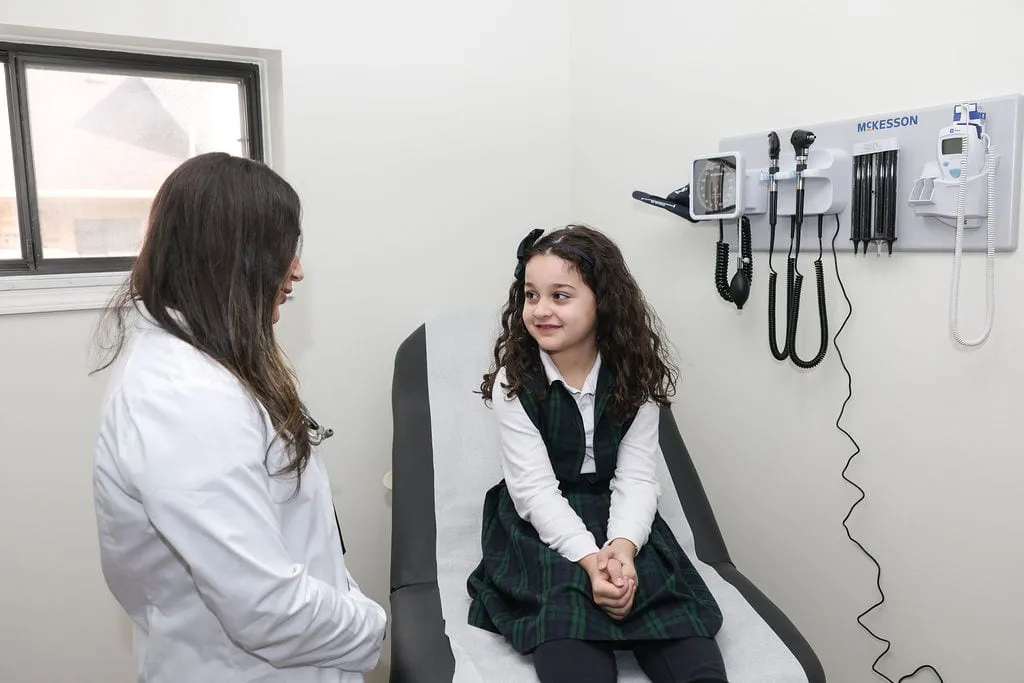
What is primary care actually for?
Primary care is continuity. It is the relationship with a clinician who knows your history, tracks your numbers over time, manages ongoing conditions, and handles preventive care on a schedule. AHRQ describes it as the point of first contact for most health needs and the place responsible for coordinating the rest.
In practice that means:
- Annual physicals and preventive screening
- Managing chronic conditions such as high blood pressure, diabetes, high cholesterol, and thyroid conditions
- Medication management and refills
- Referrals to specialists when needed
- Knowing what your baseline looks like, which is what makes a change meaningful
That last point is the one people underestimate. A blood pressure reading means considerably more to someone who has seen your last four.
What is urgent care for?
Urgent care handles the acute and the immediate: the things that need attention today but are not emergencies. Illness, injuries, infections, cuts that need closing, and the tests and imaging that go with them.
It is built around access rather than continuity. No appointment, no referral, evenings and weekends, and a visit that starts and finishes in one sitting.
So which one should I use?
Use urgent care when the problem started recently and needs attention now: a fever, a sore throat that might be strep, a rolled ankle, a cut, a urinary tract infection, a rash that appeared this week, a form that needs signing before Monday.
Use primary care when the issue spans time: a chronic condition that needs monitoring, medication that needs reviewing, a preventive check, symptoms that have been building for months, or anything where knowing your history changes the answer.
The genuine grey area is a recurring problem. A third sinus infection this year is technically an acute illness, but the pattern matters more than the episode, and a clinician who can see the pattern is the better choice.
What happens when the doctor cannot see me for three weeks?
This is the failure mode that sends most people to a walk-in clinic. You are unwell now, the practice offers you an appointment a fortnight out, and you end up somewhere that has never met you and cannot see your records.
That gap is exactly the problem a clinic offering both is set up to close. Serenity Urgent Care runs urgent care and primary care under one roof, so records from a Sunday walk-in visit and a Tuesday follow-up sit in the same chart, seen by the same practice. When something acute happens, you are seen the same day by a clinic that already has your history.
Do I still need a primary care provider?
Yes, and this is worth saying plainly even though it points away from the walk-in door. Walk-in care is not a substitute for continuity. Screening intervals, chronic disease management, and preventive care are built around someone tracking you over years, and the USPSTF recommendations that drive preventive care assume exactly that.
If you do not currently have a primary care provider, MedlinePlus sets out what to consider when choosing one. If you would like Serenity to be it, ask at the front desk; there is no enrolment ritual, and walk-in care is open to everyone regardless.
What about the emergency room?
Different question entirely, and one worth keeping separate. The emergency department is for anything that could threaten life, limb, or eyesight: chest pain, stroke symptoms, serious breathing difficulty, major trauma, uncontrolled bleeding. Cost and convenience should not enter that decision.
We cover the dividing line in more detail in urgent care or the emergency room.
The practical summary
| Question | Where to go |
|---|---|
| Started today or this week, needs attention now | Urgent care |
| Ongoing condition, medication, or preventive check | Primary care |
| Recurring pattern rather than a single episode | Primary care |
| Could threaten life, limb, or eyesight | Emergency room, call 911 |
| Not sure | Call the clinic and describe it |
That last row is not a filler answer. A phone call takes two minutes, a person answers during opening hours, and being redirected on the phone is far better than spending an hour in the wrong waiting room. Call (248) 482-8809 and describe what is going on.
Sources
About this article
This is general health information, not medical advice, and it cannot account for your history or your symptoms. It is not a diagnosis and does not create a patient relationship. For advice about your own health, see a clinician:walk in or call(248) 482-8809.
If you think you are having a medical emergency, call 911. Please do not send personal health information through this website.
Ready when you are