
Does Urgent Care Do STD Testing?
Yes, many walk-in clinics test for sexually transmitted infections, and Serenity Urgent Care is one of them. The sampling takes minutes, it is confidential, and it needs no appointment or explanation at the front desk. Results come back from the laboratory in a few days.
Published August 24, 2026Written from the sources cited below
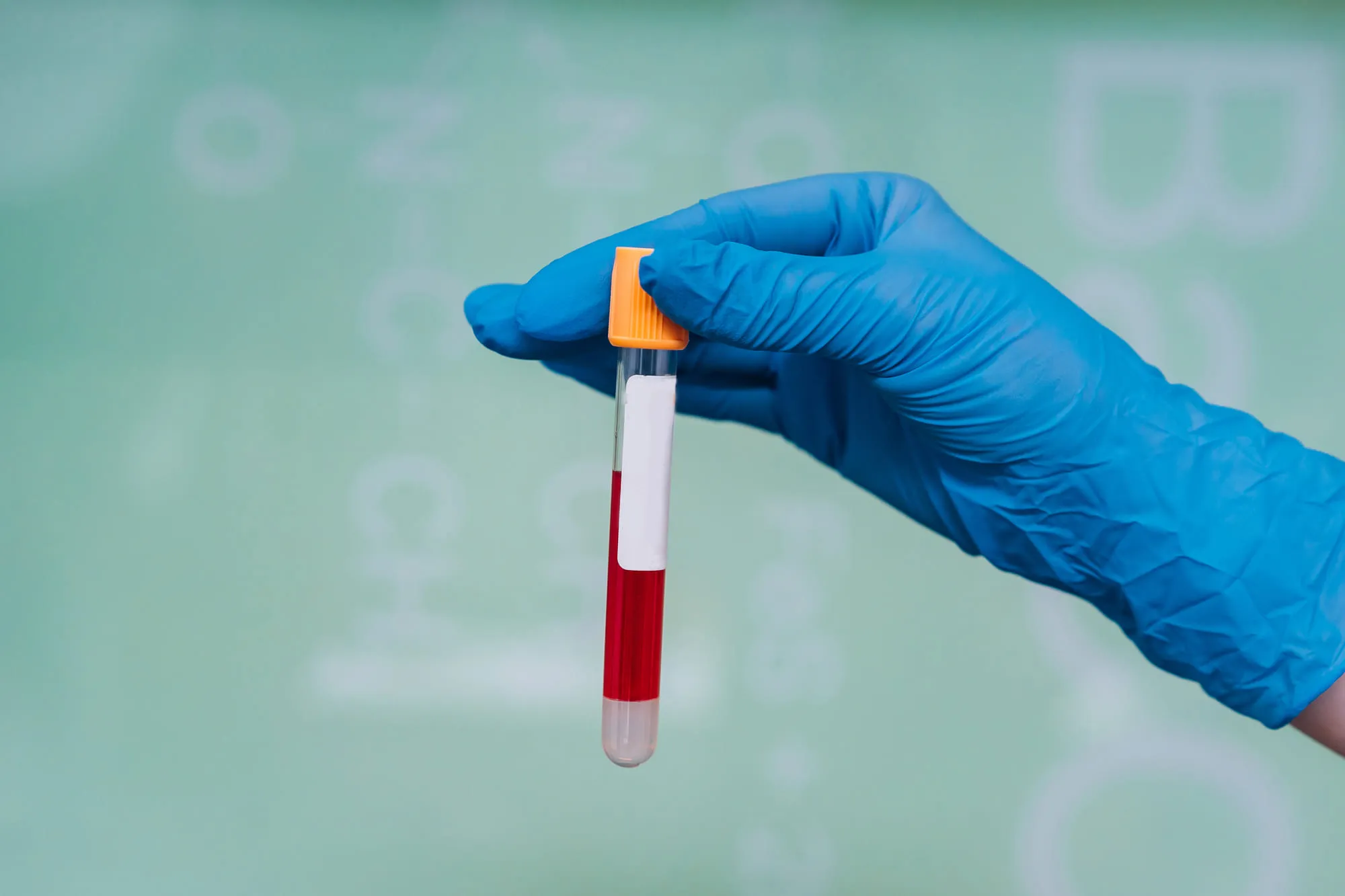
Can I get tested at a walk-in clinic?
Yes. Serenity Urgent Care runs STI testing as part of the normal walk-in flow, 7 days a week, with no appointment and no referral needed. You check in the same way as anyone else in the waiting room.
For many people this is the practical advantage over waiting for a primary care appointment: a gap of three weeks between worrying and knowing is a long time, both for your own peace of mind and for anyone you might expose in the meantime.
Why get tested if I feel fine?
Because most sexually transmitted infections cause no symptoms for long stretches, and some cause none at all. The CDC is explicit on this point in its screening guidance: symptoms are an unreliable guide, which is why testing is recommended on a schedule rather than only after a scare.
Situations that warrant testing:
- A new partner, or more than one partner
- An encounter without a condom
- A partner who has tested positive or told you they have symptoms
- Any symptom that concerns you, such as burning, discharge, sores, or pelvic pain
- Routine screening at the intervals the CDC recommends for your age and circumstances
Untreated infections can cause lasting harm. Chlamydia and gonorrhea, for example, can lead to pelvic inflammatory disease and fertility problems, and they are common precisely because they are so often silent.
What does testing actually involve?
Less than most people expect. Depending on what is being screened for, testing uses:
- A urine sample, commonly used for chlamydia and gonorrhea
- A blood draw, used for HIV and syphilis
- A swab of the affected area where symptoms are present
Serenity takes the sample during your visit, so there is no second trip to a collection centre. The samples themselves go to an outside laboratory rather than being run in the building. MedlinePlus describes what each test screens for in more detail.
There is no single “full STD panel” that covers everything, which is why a provider asks a few questions first. What gets tested depends on your history, your symptoms, and what is medically appropriate rather than a fixed menu.
How long do results take?
A few days. Some clinics offer rapid tests for a small number of infections that give an answer during the visit; Serenity does not — every STI sample is sent to an outside laboratory. The clinic contacts you when the results arrive, and the call includes what the result means and what happens next rather than just a number.
One thing worth understanding: testing too early can miss an infection. Each infection has a window period between exposure and the point at which a test can reliably detect it. If your exposure was very recent, the provider may recommend testing now and repeating it later. That is not the clinic being cautious for its own sake; it is how the tests work.
Is the visit confidential?
Yes. Your medical information is protected by federal law under HIPAA, the same as any other medical visit. The conversation with the provider happens in a private exam room, results are given to you directly, and nobody in the waiting room knows why anyone else is there.
If you are on someone else’s insurance plan and privacy is a concern, say so at the desk. Explanation of benefits statements are sent to the policyholder, and it is a reasonable question to ask about before testing rather than after.
What happens if a test is positive?
You get a private conversation, a clear explanation, and treatment. Serenity provides STD treatment as well as testing, so in many cases the same clinic that identified the infection also treats it.
Many common bacterial infections, including chlamydia, gonorrhea, and syphilis, are curable with antibiotics prescribed according to the CDC’s treatment guidelines. Infections that are treatable but not curable, such as HIV and herpes, are managed considerably better the earlier they are found, which is the strongest argument for testing sooner rather than later.
You will also be given guidance about notifying partners. This is a normal part of the conversation, not a judgment.
What should I bring?
A photo ID and your insurance card if you have one. Serenity accepts Medicaid plans, Medicare plans, and major commercial carriers; the full list is on the insurance page. If you are paying yourself, ask at the front desk what testing costs before you are seen.
If privacy from a shared insurance plan matters to you, ask about self-pay options at check-in.
When is this an emergency instead?
Testing itself is never an emergency, but seek urgent medical attention for severe pelvic or abdominal pain, a high fever with pelvic pain, testicular pain and swelling, or an inability to urinate. Those can indicate a complication that needs treating now rather than after results return.
Sources
About this article
This is general health information, not medical advice, and it cannot account for your history or your symptoms. It is not a diagnosis and does not create a patient relationship. For advice about your own health, see a clinician:walk in or call(248) 482-8809.
If you think you are having a medical emergency, call 911. Please do not send personal health information through this website.
Ready when you are